





Seabird Monitoring, St Kilda
In partnership with National Trust for Scotland
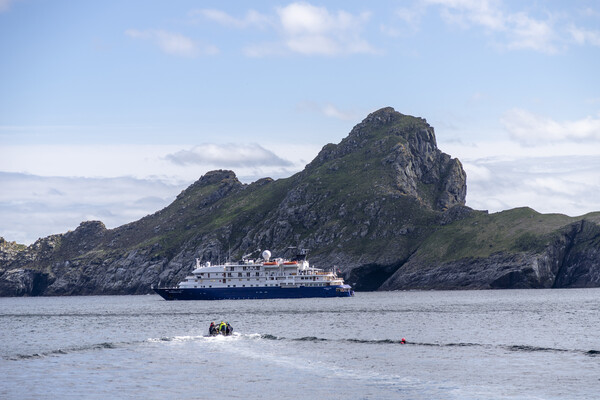
There is no place quite like St Kilda. Rising dramatically from the Atlantic Ocean, its cliffs and sea stacks are home to hundreds of thousands of seabirds, making it one of the most important wildlife sites in the world.
Noble Caledonia has been visiting St Kilda for over 30 years, and through the Noble Caledonia Charitable Trust (NCCT), continues to support vital conservation work alongside the National Trust for Scotland.
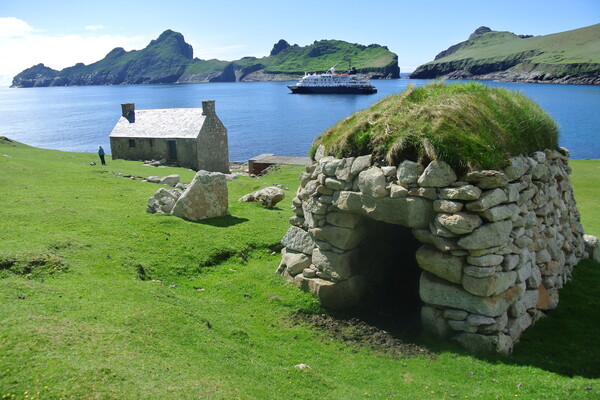
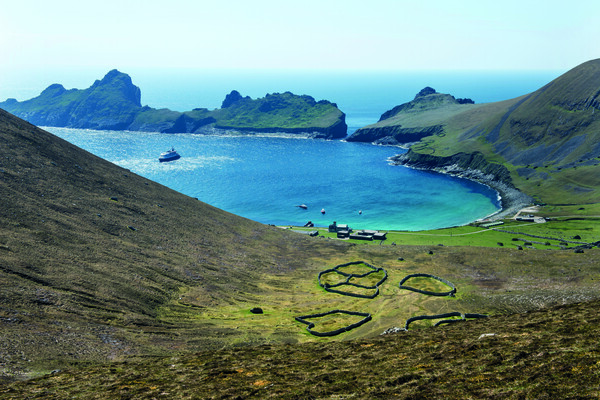
Once home to a resilient human community for over 4,000 years, the islands are now uninhabited — but remain a place that demands constant care, monitoring and protection in the face of time, weather and climate change.
For over 90 years, the National Trust for Scotland has worked to protect and promote Scotland’s natural and cultural heritage. As the charity approaches its centenary, its mission remains clear — to ensure Scotland’s nature, beauty and heritage are protected, accessible and enjoyed for generations to come.
A Globally Important Seabird Sanctuary
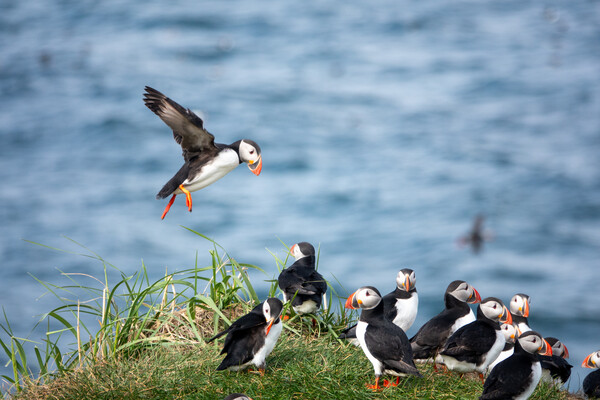
St Kilda’s unique and fragile ecosystem supports nearly one million seabirds, including major populations of fulmars and petrels, the UK’s largest colony of Atlantic puffins, and the world’s largest colony of northern gannets.
These populations are now under increasing pressure from threats such as avian influenza, declining food availability due to overfishing, and the impacts of climate change on breeding grounds.
Protecting Through Biosecurity
Biosecurity on St Kilda is critical. As one of the most important seabird breeding sites globally, the islands must be protected from invasive species and disease that could devastate entire colonies.
This work involves specialist equipment such as disinfectant systems and monitoring tools, alongside skilled personnel to implement and maintain strict protection measures — all made more complex by the island’s remote location.
Monitoring a Changing World
Seabirds are vital indicators of ocean health. Monitoring their populations provides essential insight into changes in marine ecosystems, including the effects of climate change on food supply, breeding success and migration patterns.
St Kilda holds one of the longest continuous seabird monitoring datasets in the world, dating back to the 1950s. This long-term research is invaluable in understanding global environmental change.
From the Field
Hear directly from National Trust for Scotland ambassador Cal Major on the importance of protecting St Kilda’s remarkable seabird populations.
Enduring Impact
Your support helps enable essential conservation work in one of the world’s most extraordinary environments — from biosecurity protection to cutting-edge monitoring techniques carried out in some of the most remote and challenging conditions.
Together, we can help safeguard St Kilda’s globally important seabird populations for future generations.
How to Contribute
If you would like to support this project, you can donate online:
Donate OnlineAlternatively, if you would prefer to make a donation by cheque, please make it payable to ‘NCCT’ and send it to:
2 Chester Close
London, SW1X 7BE
If you are eligible for Gift Aid, you can increase your donation by 25% at no extra cost by completing our Gift Aid Form .