





Protecting a World Heritage Atoll
Supporting the eradication of invasive species on Aldabra Atoll, Seychelles
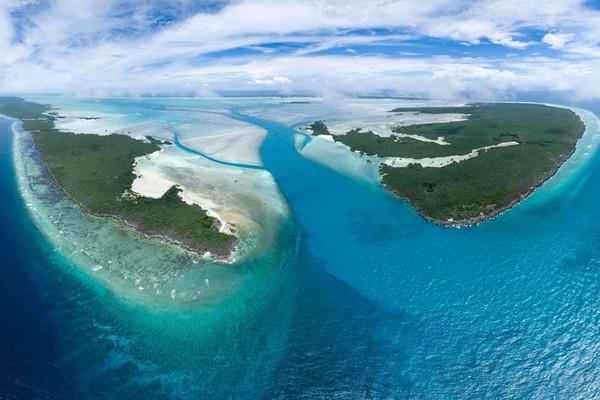
Aldabra Atoll is one of the world's most important island ecosystems. A UNESCO World Heritage Site and Key Biodiversity Area, it supports exceptional biodiversity and provides critical ecosystem services that help build resilience against climate change.
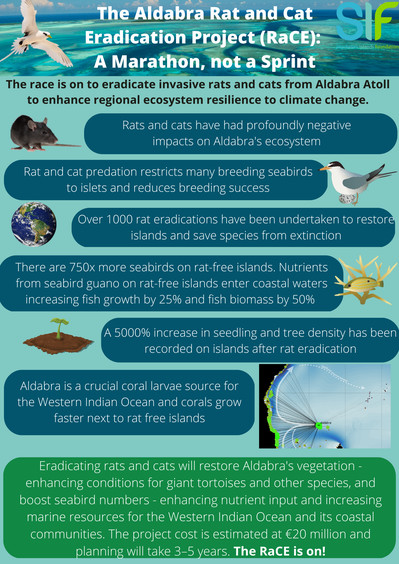
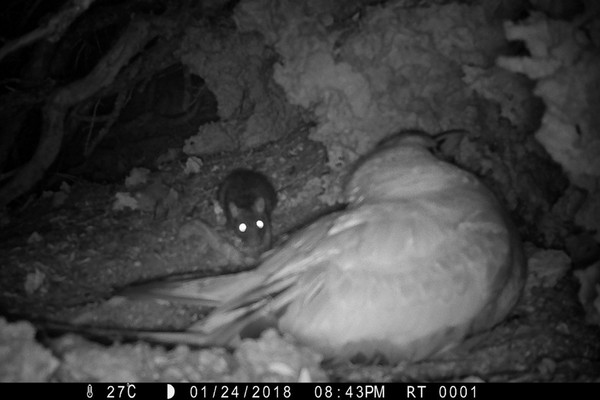
Invasive alien species (IAS), such as rats and cats, have significant negative impacts on island ecosystems. These impacts lead to population declines and high rates of extinction of native island species. The severe degradation of ecosystems by invasive mammals reduces the ability of these ecosystems to adapt to and recover from the impacts of climate change.
Eradication of invasive mammals from islands is therefore a crucial nature-based solution to boost ecosystem-based adaptation to the impacts of climate change. The Seychelles Islands Foundation (SIF) is currently conducting a feasibility study to gain the site-level knowledge required to prepare for a large-scale rat and cat eradication on Aldabra Atoll, Seychelles, which will be the second largest mammal eradication in the tropics.
A Global Stronghold for Biodiversity
Aldabra is a Key Biodiversity Area (KBA), a UNESCO World Heritage Site, a Ramsar Wetland Site and a large-scale Marine Protected Area (MPA), making it one of the most important biodiversity sites in the Western Indian Ocean.
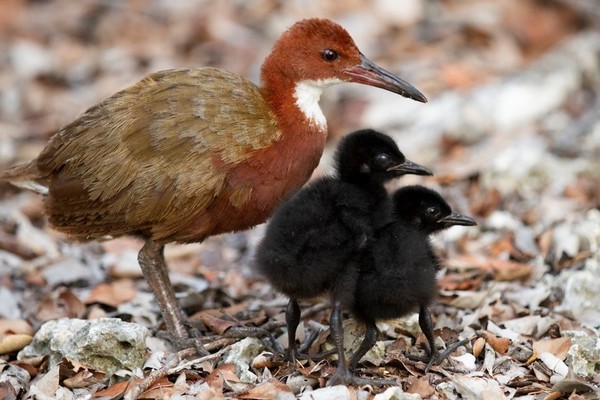
The atoll is home to many native and threatened species, including the world's largest giant tortoise population, the largest frigatebird population in the Indian Ocean and one of the region's most important turtle populations.
Aldabra also contains the largest coral reef systems, seagrass beds and mangrove forests in the Seychelles archipelago, all of which play a major role in blue carbon storage, coastal protection and climate resilience.
Recent research has shown that the atoll is a key source of coral larvae across the region and may also play an important role in maintaining connectivity for fish, mangroves and other marine species.
“Protecting Aldabra means protecting one of the most significant and connected island ecosystems remaining anywhere in the world.”
Why Eradication Is So Important
SIF has identified the eradication of rats and cats as the single most important conservation action available to strengthen Aldabra's ecosystem functions and services while supporting adaptation to climate change.
The organisation has spent more than a decade developing a world-class biosecurity system for the atoll. With these measures now in place, SIF is confident that eradication can proceed with minimal risk of re-invasion.
Aldabra's ecosystem is defined by strong land-ocean connectivity. Mangroves, seagrass meadows, coastal forests and coral reefs interact to provide essential ecosystem services including carbon capture, coastal defence, nutrient cycling, freshwater regulation and habitat provision.
Despite its protected status and exceptional biodiversity, Aldabra remains vulnerable to both invasive species and the growing impacts of climate change. Removing invasive mammals offers one of the most effective opportunities to restore ecosystem integrity and resilience.
Building Climate Resilience Through Nature
Increasingly, scientists recognise that land-ocean connectivity plays a crucial role in maintaining healthy marine ecosystems. Aldabra's mosaic of coastal habitats provides a unique opportunity to understand how restoring island ecosystems can benefit surrounding marine environments.
Ground-breaking research in the Chagos Archipelago demonstrated that reefs adjacent to rat-free islands recovered more rapidly following coral bleaching events. Islands free from invasive mammals supported dramatically larger seabird populations, whose nutrient-rich deposits enhanced coral growth and increased fish biomass.
Researchers found that reefs near rat-free islands supported faster-growing and more diverse fish communities, highlighting how restoring terrestrial ecosystems can improve marine resilience.
As climate change increases the frequency and severity of bleaching events across tropical oceans, invasive species eradication is emerging as an important nature-based solution to strengthen ecosystem resilience. Given the scale and connectivity of its reef system, Aldabra is uniquely positioned to demonstrate these benefits.
Supporting the RACE Project
Noble Caledonia has been visiting Aldabra and the Seychelles for more than 20 years and has proudly supported conservation initiatives across the region, including the Aldabra plastic clean-up programme.
We are delighted to support this ambitious RACE project and have pledged £5,000 in 2024 to help launch the fundraising effort required to progress the eradication programme.
This contribution will help advance the feasibility studies, planning and preparation needed to protect one of the world's most remarkable island ecosystems for future generations.
“Removing invasive species from Aldabra is an investment in biodiversity, climate resilience and the long-term health of the Western Indian Ocean.”